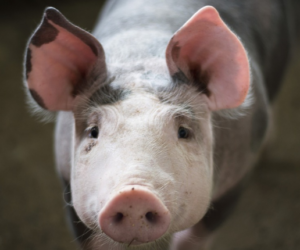
How Can Anyone Call This ‘Training’?
Pigs are being tortured in the name of “education,” from military trauma drills to OB/GYN training.

Pigs are being tortured in the name of “education,” from military trauma drills to OB/GYN training.
Many experiments targeted by PETA have been going on for decades at an enormous cost – despite failing to benefit human health 100% of the time.
For World Week for Animals in Laboratories, we look at some of our biggest victories for animals so far in 2024!
Here is this week’s list of easy daily actions you can do to make a difference for animals. We hope that every week you’ll spend a few minutes taking some of these quick actions!
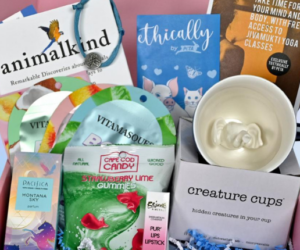
PETA has collaborated with some of our favorite companies to release another Ethically by PETA box. Act quickly, because this limited-edition item will sell out!
When salespeople knocked on my door a year ago to sell me solar panels, I initially declined, explaining that I couldn’t afford them and that I was already doing my part to combat the climate catastrophe by being vegan.
Just in time for summer, PETA Prime offers humane tips on how to keep ants outside the house without using toxic chemicals.
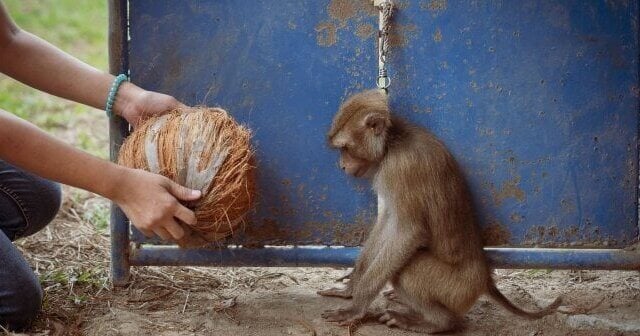
Oceania Cruises, a cruise line owned by Norwegian Cruise Line Holdings, offers excursion tours to Ko Samui, Thailand, where guests can see exploited monkeys forced to pick coconuts. But they don’t see the horror inside Thailand’s coconut-picking industry.
Take Action