Retirement made me stop and ask a serious question: What can I do now that will have a lasting impact?
For many years, I advocated for animals in the margins of my life, fitting it in around a demanding career in the software industry. When I left that career, I knew I didn’t want animal advocacy to stay on the sidelines anymore.
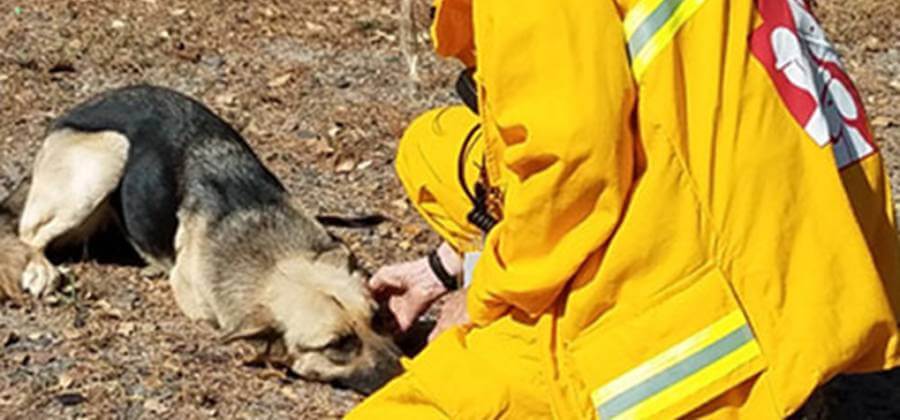
I put that commitment into action in 2018, when I was deployed as a volunteer to an emergency dog and cat shelter during the Camp Fire. The fire devastated the town of Paradise and became the deadliest wildfire in California’s history. Amid the destruction, I was reminded that companion animals are among the most vulnerable victims of disaster, entirely dependent on humans to protect them.
My path to animal disaster response began years earlier, after Hurricane Katrina in 2005. I was deeply shaken by stories of people who refused to evacuate because they wouldn’t abandon their animals – and by the animals who suffered when help came too late. I trained as an animal disaster responder and deployed whenever I could, caring for dogs and cats rescued from neglect and abuse. The Camp Fire was my first response to a large natural disaster and introduced me to Community Animal Response Teams, or CARTs – volunteer groups that assist local emergency services and animal control with evacuating and sheltering animals.
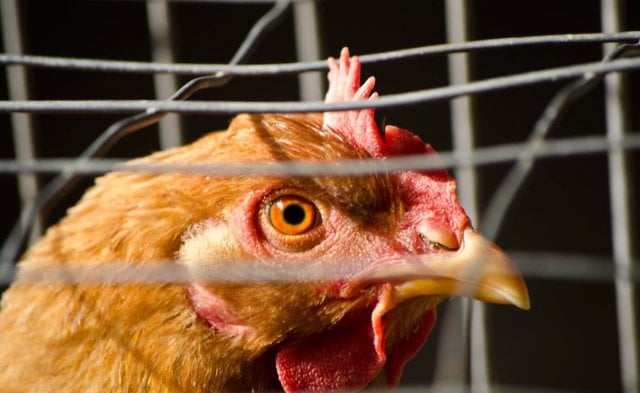
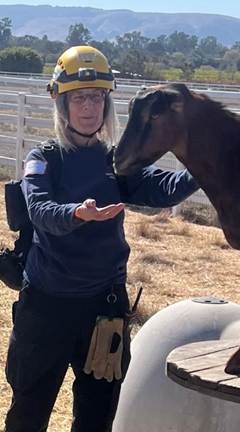
Volunteering in the CARTs, I found the mission I was looking for. I’ve rescued the sole surviving hen running loose on a burned property, herded pigs into a trailer as a fire advanced, and even learned how to evacuate koi fish from a backyard pond. Along the way, I’ve learned new skills – emergency radio communications, handling of many animal species, and animal triage and first aid. It’s all been incredibly rewarding, even when it’s sad, and it aligns with my core belief that every animal’s life is important.
I also found ways to bring my previous professional experience into my new calling. Using my background in software, I now help animal organizations adopt tools that improve coordination, tracking, and preparedness. Over time, I’ve also become involved in animal disaster planning, helping animal shelters and communities prepare for the next emergency. Investing my time and energy in preparedness feels like it has an even bigger impact for animals.
The emotional weight of this work is real. I’ve made devastating phone calls to guardians to say that we couldn’t find their animal. I’ve also witnessed reunions so joyful they brought everyone present to tears. I’ve met people who have lost everything they owned, yet cared only about whether their animal survived. Those moments stay with me long after each deployment ends.
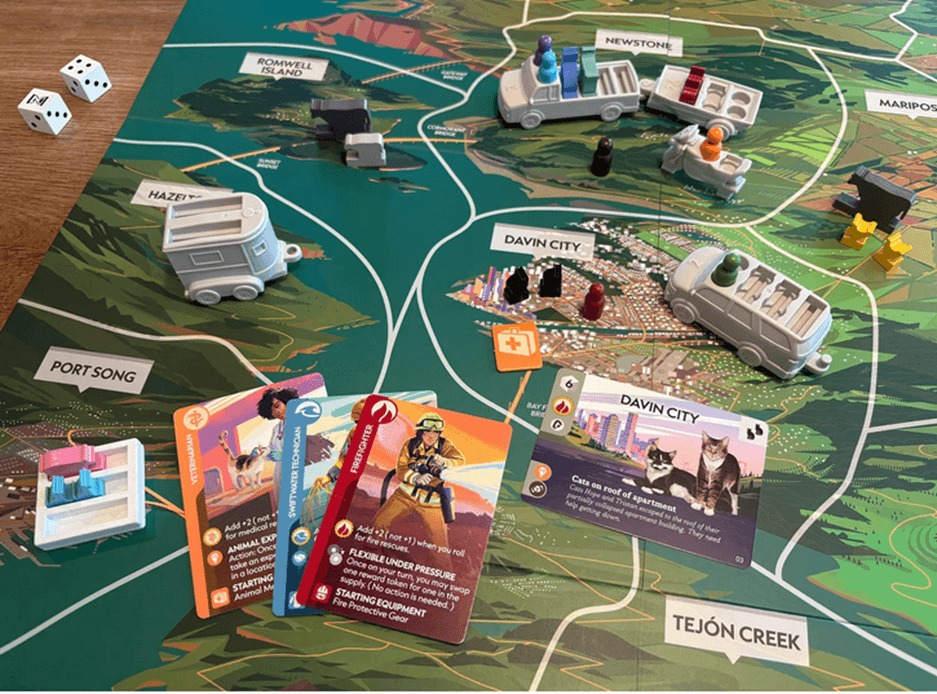
Recently, this journey led somewhere I never expected. A friend of mine, the talented board game designer Matt Leacock, invited me to help create a cooperative board game about rescuing animals. Animal Rescue Team, released in 2025, draws directly from real rescue experiences – the chaos, the teamwork, and the quiet triumphs.
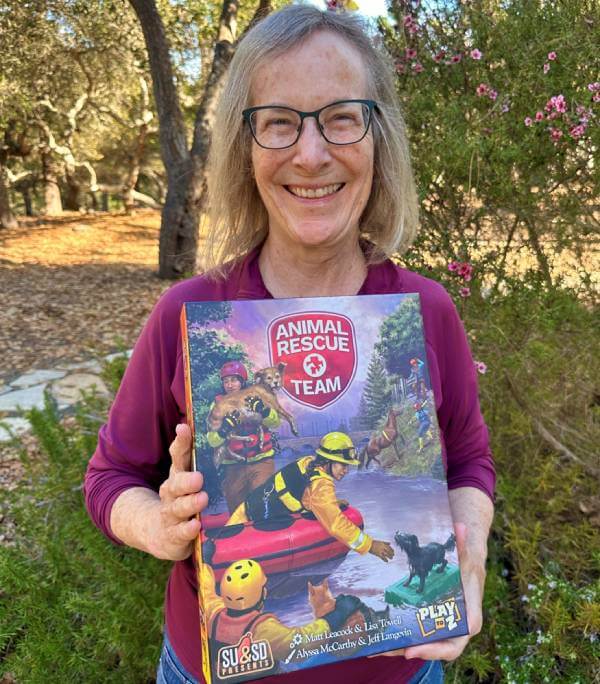
Through the game, I was able to tell many rescue stories and introduce a wider audience to the importance of disaster planning for animals. My hope is that people who enjoy the game will be inspired to volunteer with their local animal response team!
Today, I’m a full-time animal disaster planner and responder. If you’d told me ten years ago that retirement would lead me here, I would have laughed in disbelief. But it’s never too late to fully align your life with your values – and I’ve found my lasting impact in every life I’ve helped save.
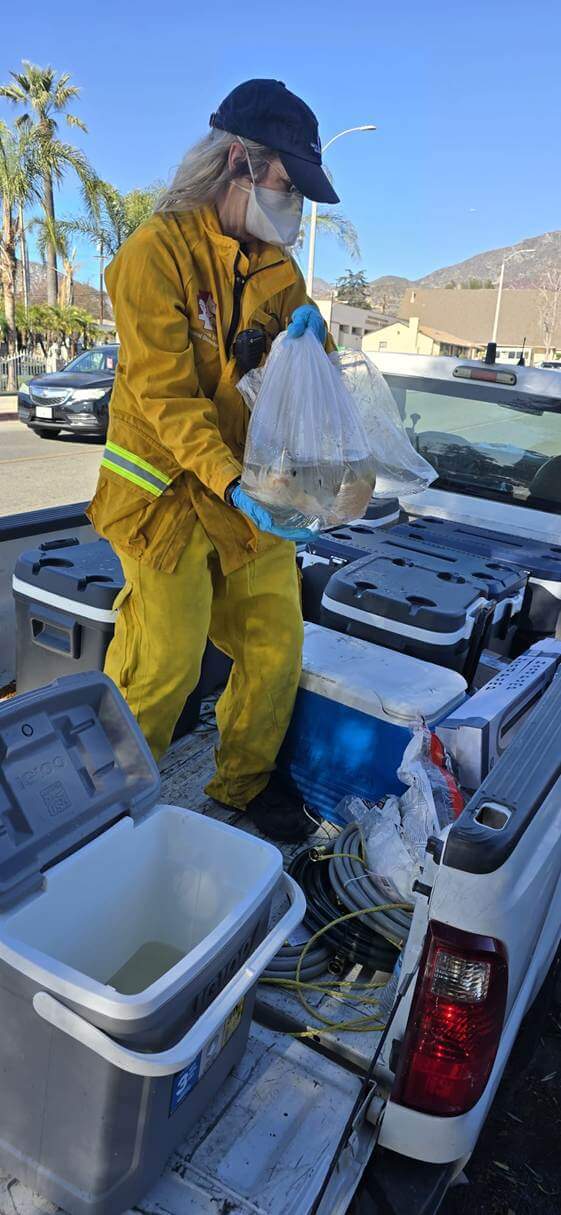
All rescue photos courtesy of the North Valley Animal Disaster Group.