
These are desperate times for the horseracing industry. Even people who pay no attention to racing which is just about everybody are aghast by the carnage on America’s racetracks, where horses are collapsing and dying in shocking numbers.
But some tracks are in such dire financial straits that they’re resorting to even more gratuitously cruel promotions to try to get customers through the gates: forcing ostriches, camels and zebras to race with human jockeys on their backs. Spectators may find these races novel, but the animals always lose.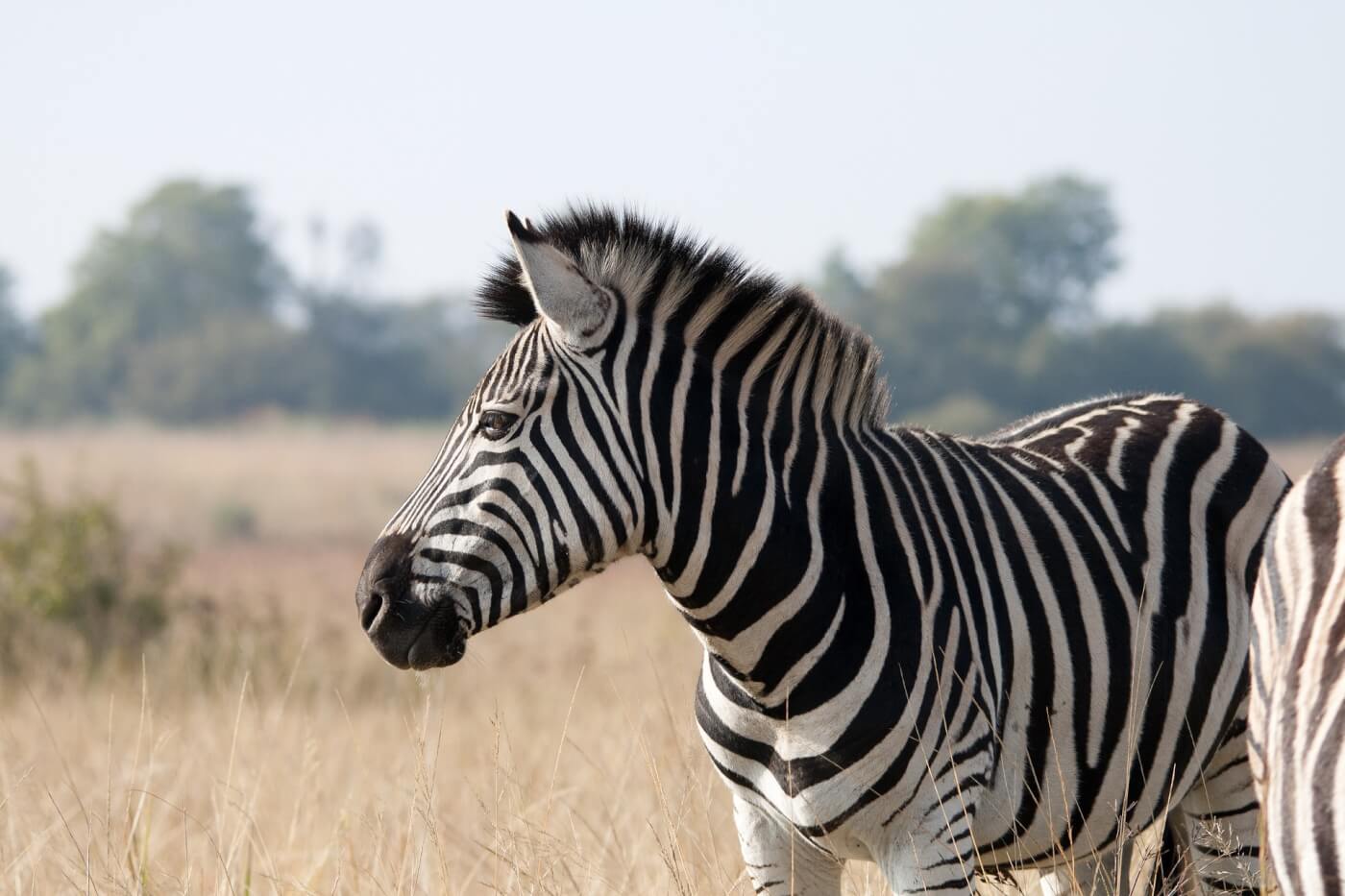
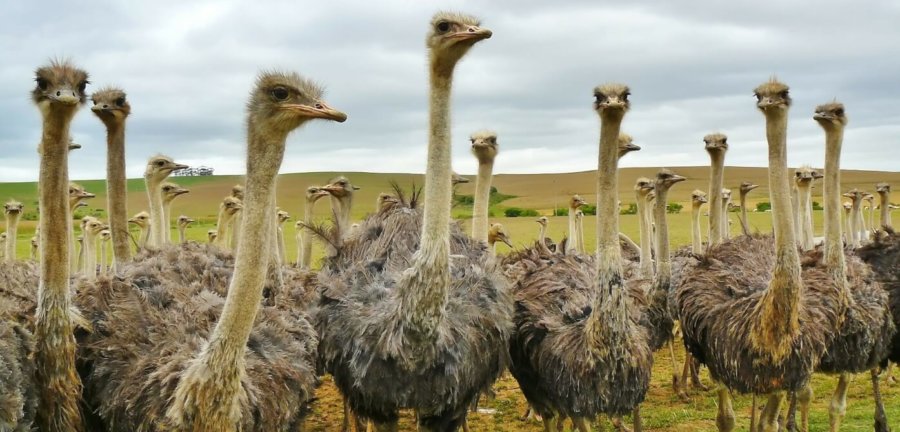
In their natural homes, ostriches are desert-dwelling herd animals who form close bonds. Females lay their eggs in a communal nest, allowing the eggs and young all to be cared for by one bonded pair.
Even though they’re large and strong, ostriches are not anatomically designed to bear the weight of an adult human. And they’re not trained to “race,” either; when people climb on their backs, they panic. For prey animals like ostriches, being straddled is akin to being pounced on by a predator. This fear, coupled with the stress of unfamiliar surroundings and crowds of people, prompts a frantic and unpredictable flight response that is difficult to control. It’s dangerous not just to the ostriches, but also to the riders, the handlers and the general public.
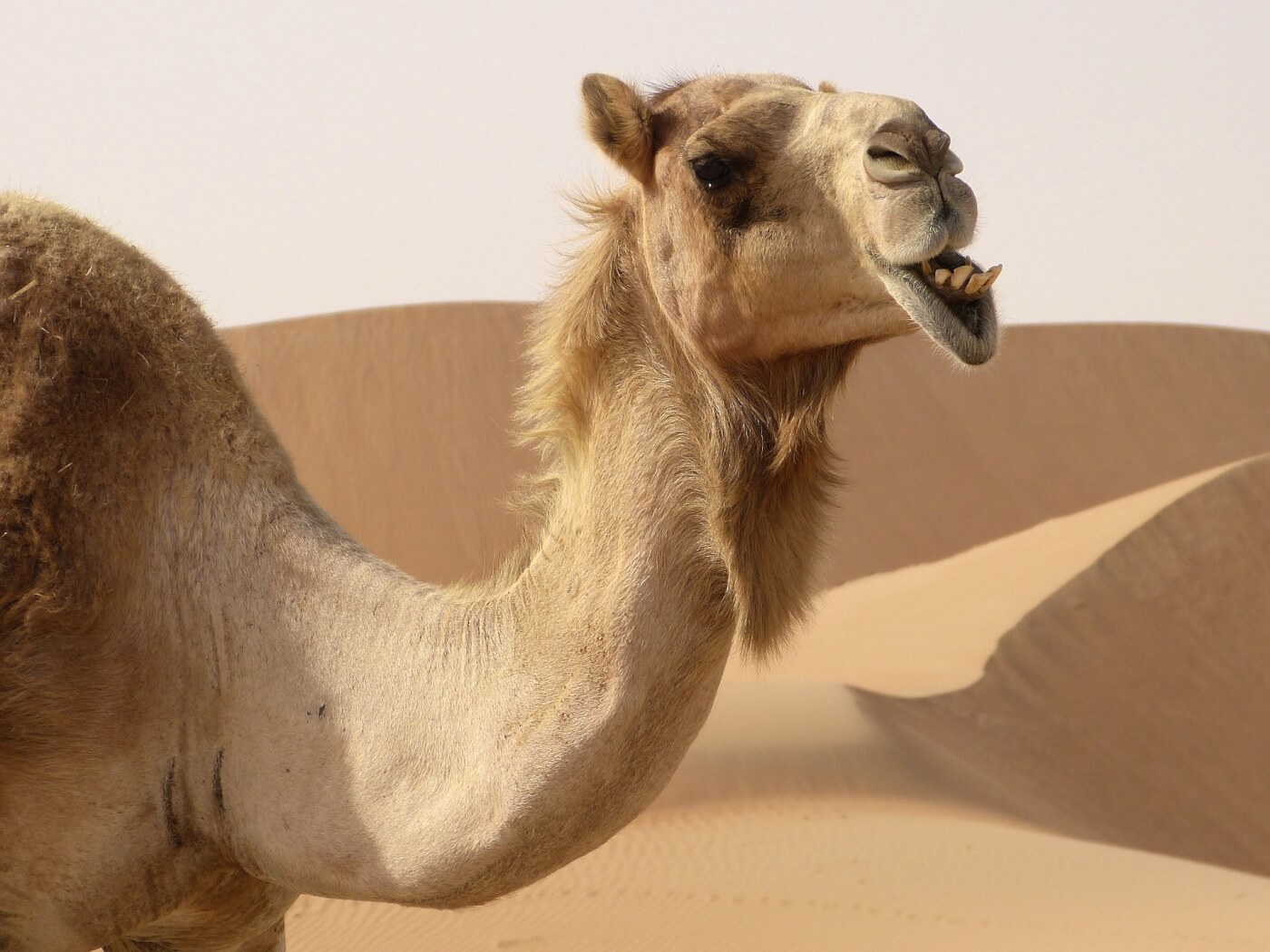
In the desert where they belong, camels live in social herds and spend their days roaming and foraging. They communicate by moaning, groaning, bleating, bellowing, rumbling and roaring. They often exchange greetings by blowing in each other’s faces. Both Bactrian and dromedary camels have little patience for rough handling, and they can be skittish and erratic. Zebras, too, are intolerant of chaos and confusion.
Some years ago, five camels and a zebra escaped from the exhibitor who typically supplies animals for these racetrack exhibitions; four of the camels were killed after being hit by cars. Last year, two zebras escaped, and one was hit and killed by a car.
 With the growing public pushback against cruel animal displays, these novelty races are heading in the wrong direction. Kind people don’t view animals as objects to be mocked or forced into submission. Citizens are driving bans against animal exhibitions all over the United States and indeed the world. Austria, Bolivia, Greece, Mexico, Peru and many other countries have banned wild animal circuses, while others, including Canada, Chile, Costa Rica, Croatia, Hungary, India and Poland, have banned the confinement of dolphins and other marine mammals.
In March, Iran’s department of environment deputy director announced that no dolphinariums will be allowed in the country, stating, “We believe recreational centres can be constructed without harassing animals.”
Businesses that fail to recognize that attitudes have changed are doomed. Concern about the cruelty in horseracing continues to mount, and tawdry novelty sideshows just add to the public indignation.